
Brands between heritage and innovation- July 14th, Modena- Congress 2016 of UISI (Unione imprese storiche Italia)
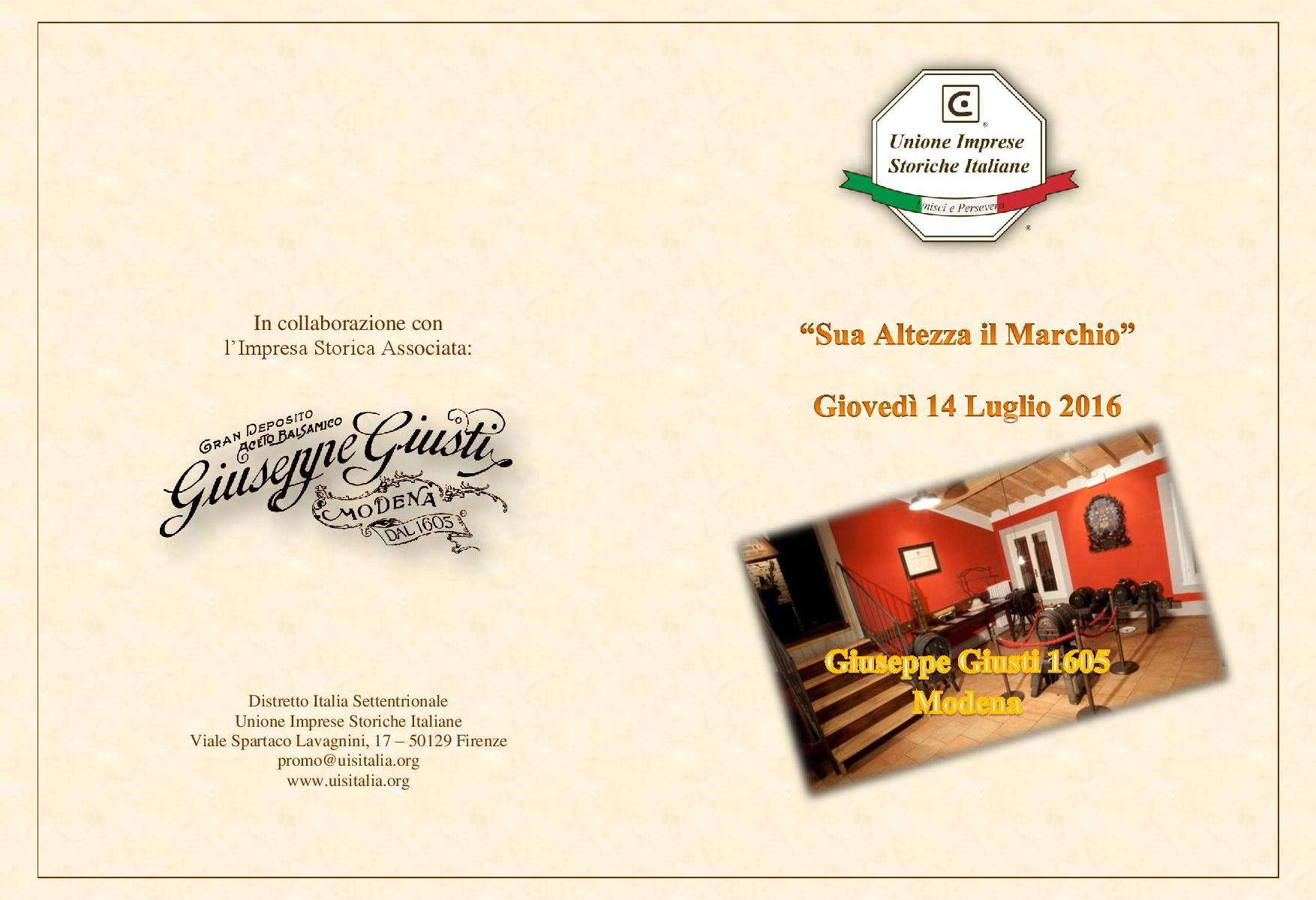
How does the combination of tradition and innovation characterize the changing environment where a brand acts? How does this involve particularly heritage brands? Giulia Ceriani (Baba-Scenari di mercato President- University of Siena Professor) will lead the discussion on this subject.
We look forward to seeing you on July 14th!
BY INVITATION ONLY
For more information on how to register: Click here or write to mailto:baba@babaconsulting.com
Self-Driving Cars of the Future
Three companies, BMW, Intel, and Mobileye, have joined forces to research, implement, and produce self-driving cars by the year 2021. Lead automakers hope that automated driving technology will allow for more efficient and safe travel. The goal of this collaboration is to identify and develop a solution to a complete driverless vehicle, allowing humans to take their mind off of driving. However, this type of innovation is also troubling, especially in light of a recent event where a man driving a Tesla car on self-driver mode, was killed in an accident because the system of the car failed to recognize oncoming traffic. With this in mind, we can see that perhaps eliminating the human aspect of driving could lead to severe and unintended results.
Brands between heritage and innovation- July 14th, Modena- Congress 2016 of UISI (Unione imprese storiche Italia)
How does the combination of tradition and innovation characterize the changing environment where a brand acts? How does this involve particularly heritage brands? Giulia Ceriani (Baba-Scenari di mercato President- University of Siena Professor) will lead the discussion on this subject.
We look forward to seeing you on July 14th!
BY INVITATION ONLY
For more information on how to register: Click here or write to mailto:baba@babaconsulting.com
A Virtual Future

This virtual reality film and app, done by the New York Times, won the Grand Prix Lions Entertainment award at the Cannes Lions International Festival of Creativity. Media outlets from all over the world praised this film, and its creators for promoting the arrival of virtual reality into our mainstream media. This virtual reality app was downloaded more times than any other app in the newspapers history. The NYT has declared virtual reality to be a new priority, that will influence the way we receive our news in the near future.
http://www.canneslionsarchive.com/winners/entry/777308/the-displaced
3D Printing Future of Construction

In Dubai the first office completely 3d printed in loco: 17 days of layering of cement for a 250 square meters building. Will 3D printing succeed in lowering the costs of construction?
http://mediaoffice.ae/en/media-center/news/23/5/2016/3d-printed-office-building.aspx
Adidas environmental commitment
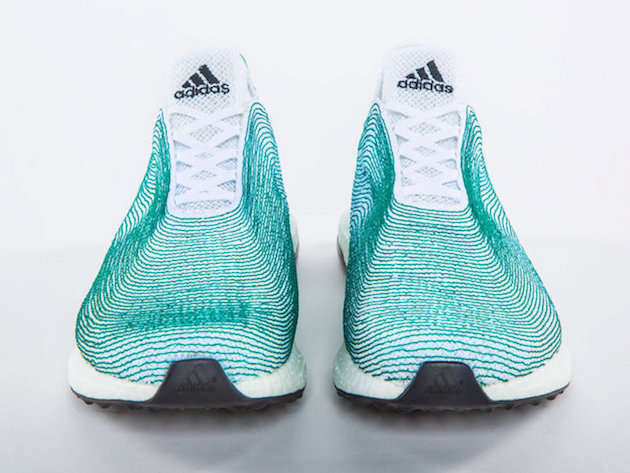
The Adidas xParley shoe is made of a thread coming from a company called Parley for the Oceans, spun from plastic waste and old fishing nets retrieved from the coast of Africa. Will such a commitment work in the long term? Is the sustainability leverage still an argument upon reluctant consumers?
http://www.wired.com/2016/06/adidas-newest-shoe-made-recycled-ocean-plastic/
Nomad Objects

There was a time, back in the early 2000 when the word “nomad”, linked to “design” lost many of its ethnic traits to be associated to digital culture and dematerialization: it was the time of new nomads, when nomadism lost its negative connotation to become a trait of distinction. New nomads were young and wealthy, always connected, and wanted to travel fast and light. It took little time before nomad design lost even this speculative trait to go back to home and living, with smart, flexible furniture and a creole look, linked to both its original exhotic connotation and its latest digital definition. Louis Vuitton was one of the most coherent interpreter of the “Nomad Home” trend: deep at the brand core, there is a certain distinctive form of travel (defined by its legendary luggage and travel sets) that make an expansion to nomad home natural. The project Objectes Nomades started in 2012 and exhibits every year new objects firmed by eminent designers: Campana Brothers, Maarten Baas, Patricia Urquiola, Nendo and the likes. This year Marcel Wanders joined the team and added a new piece of furniture. Though the buzz around the project seems to diminish compared to last year. “Nomad” seems to be changing again, and the moment is uncertain for brands that deal with such a delicate issue. What will be the destiny nomad design? Will the nomad status symbol survive the emergency around migration? Will the aims change again according to new pressing social issues?
Fashion In Bangui: Ballare Fa Bene

We are happy to share a beautiful initiative that we are sponsoring: “FASHION IN BANGUI: BALLARE FA BENE”, by Amici per il CentrAfrica Onlus . The party will be held on Friday May 27th in via Pizzi, Milan, and the incomes will be invested in the realization of a tailoring school in Bangui. Know more and share the event https://www.facebook.comevents/977961968947772/
Nintendo NX and the changes in videogames’ market

Nintendo released some insight about the next Nintendo NX: it will be a “smart device” that takes in account new forms of game experience emerged with the raise of mobile devices and social platforms. This comes together with the rumors about Playstation Neo, the latest project by Sony, that promises to be a more fluid experience, not meant to substitute the previous console. These are big news that mark a shift not only in game design, but deeper in the console market. Will the opening to a cheaper market help the brands? How will it shape the next users?
http://http://www.wired.it/gadget/videogiochi/2016/04/27/nintendo-nx-marzo-2017/
Beyoncé feminism

The night between 23th an34th of April Beyoncé released her new album, Lemonade, taking everyone by surprise. Now that everyone is talking about it we notice a difference between the ways the album is being reviewed in Italy and in UK. On the italian media what comes out is mostly the gossip about Jay Z, and how the style of the video is going to influence next fashion design. In the UK it is all about how the album manages to describe the struggles of a contemporary black woman in a new and unusual way. We wonder if it has somehow to do with the state of the italian media and their refusal to take women seriously, or with the english media and the new fashion of feminism in communication.
 TREND MONITOR®